
Care Operations Platform For Clinics & Hospitals
Stop
chasing staff
Every health system is looking for answers. Stat gives you the data you always wished you had—to prove what’s working—and what’s not.

Used (and Loved) by Healthcare Organizations Across the Country





Healthcare inefficiency is a problem
Running Blind Costs Your Organization Every Day
Your team already knows these problems. Here's what they're actually costing you.
Wasted Staff Time
Your MAs are looking for providers. Your providers are looking for MAs. Everyone is peeking through exam doors, checking hallways, and running back and forth—instead of seeing patients. It happens all day, every day, in every clinic.
Across your team, that's hours of clinical time lost to a problem that shouldn't exist.


Provider Time Wasted Daily
As reported by providers pre-Stat.

Lost Patient Capacity
When your clinic starts the day behind, it never catches up. Slow room turnover, bottlenecked handoffs, and patients sitting in exam rooms with no one aware they're waiting—it all compounds.
Every lost slot is a patient who needed to be seen and revenue your clinic didn't capture.


Lost Every Day
Along with the billable revenue those patients represent.

Lack Of Data Visibility
You can't improve what you can't see. Most clinics don't measure cycle time, don't know where throughput breaks down, and have no baseline to evaluate staffing decisions or process changes.
Operational improvement becomes guesswork, driven by anecdotes, hunches, or whoever speaks loudest in the meeting.


Actual Avg. Room Utilization
(Most operations leaders believe the average is near 40%.)

Stat diagnoses and treats care Dysfunction
See How Stat Works
One platform replaces flag systems, PA announcements, and manual tracking. Watch the video below to see how:
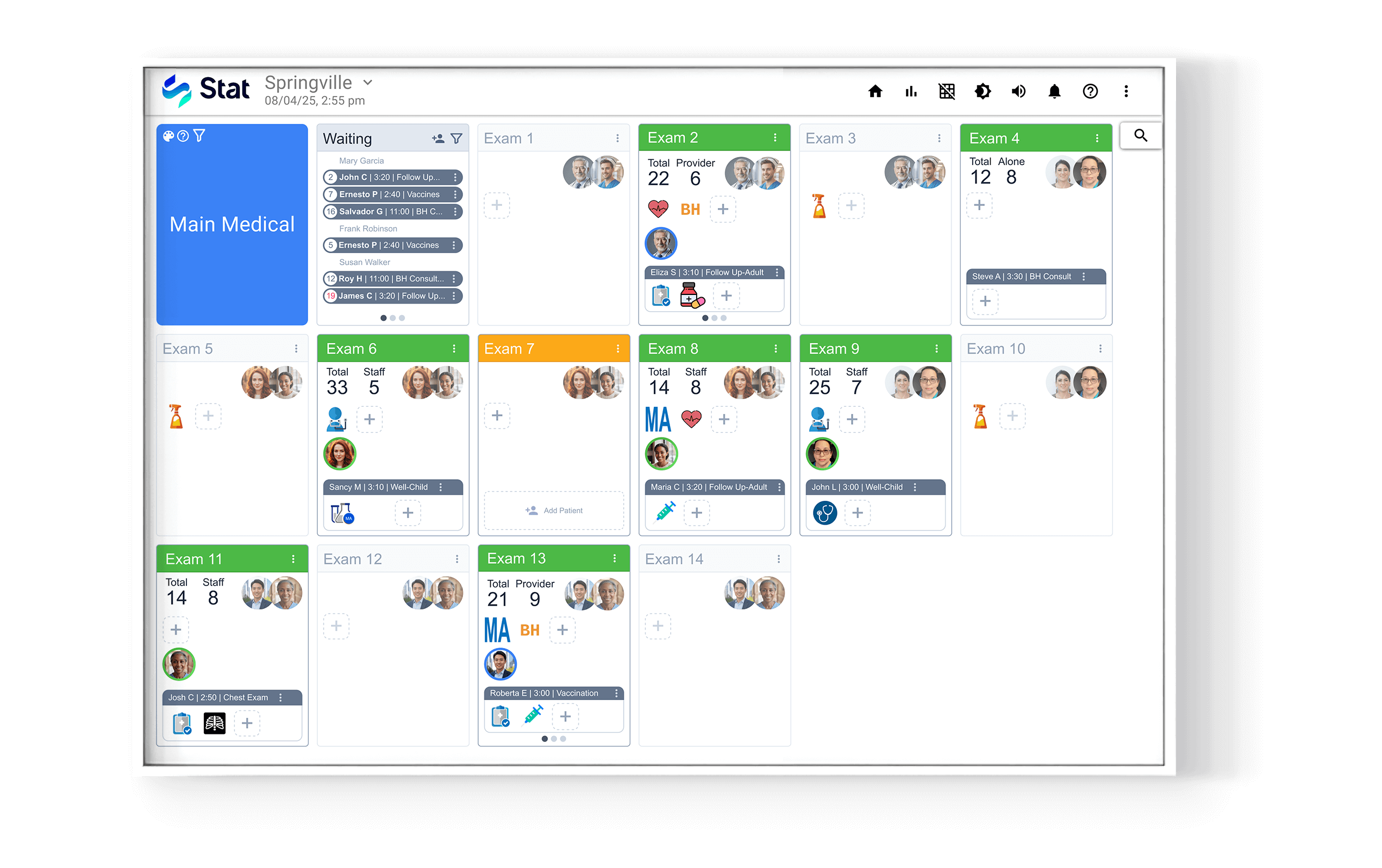

Real-Time Location
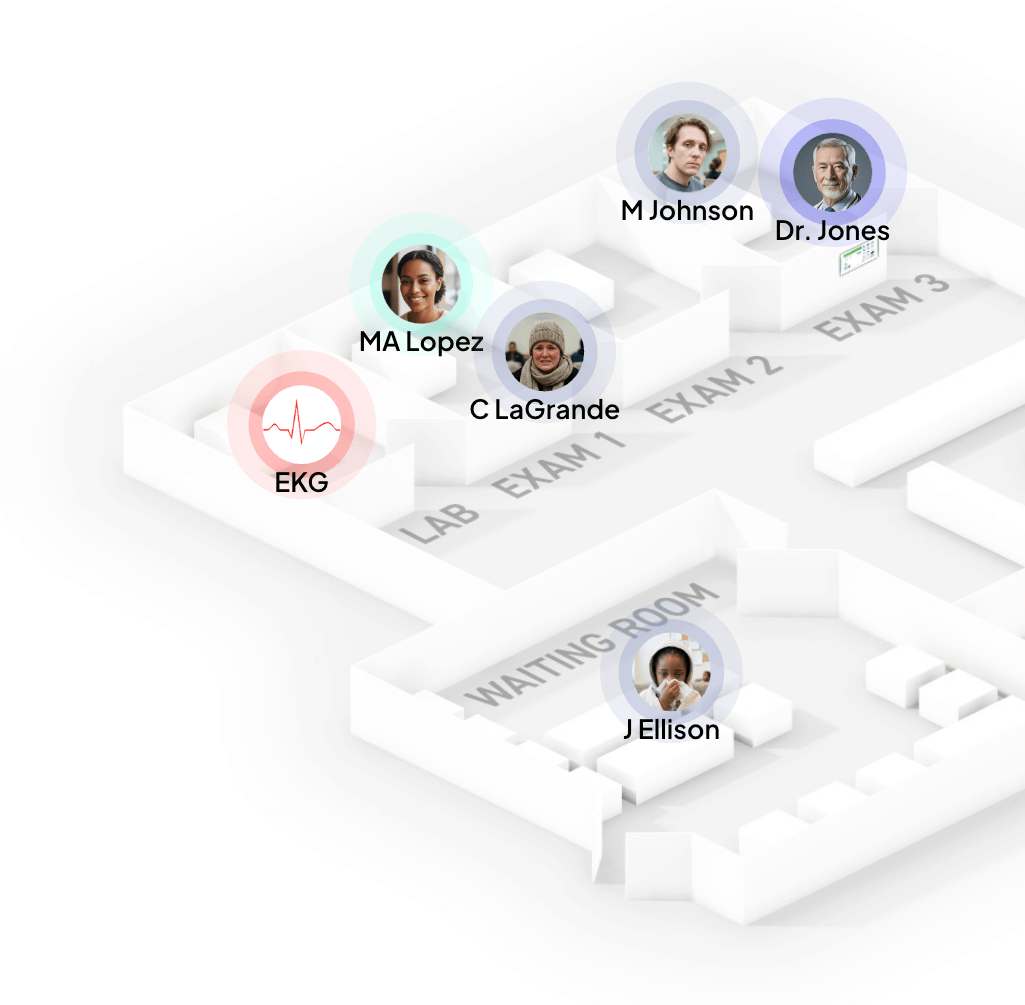
Instantly Know Where Team Members and Patients Are
Stat shows your team's real-time location on a single screen. No one updates a flag or answers a page. Staff find each other in seconds instead of minutes—and shared equipment like vital carts are visible too.

Easy patient flow
Replace Flag Systems and Hallway convos with One-Touch Workflows
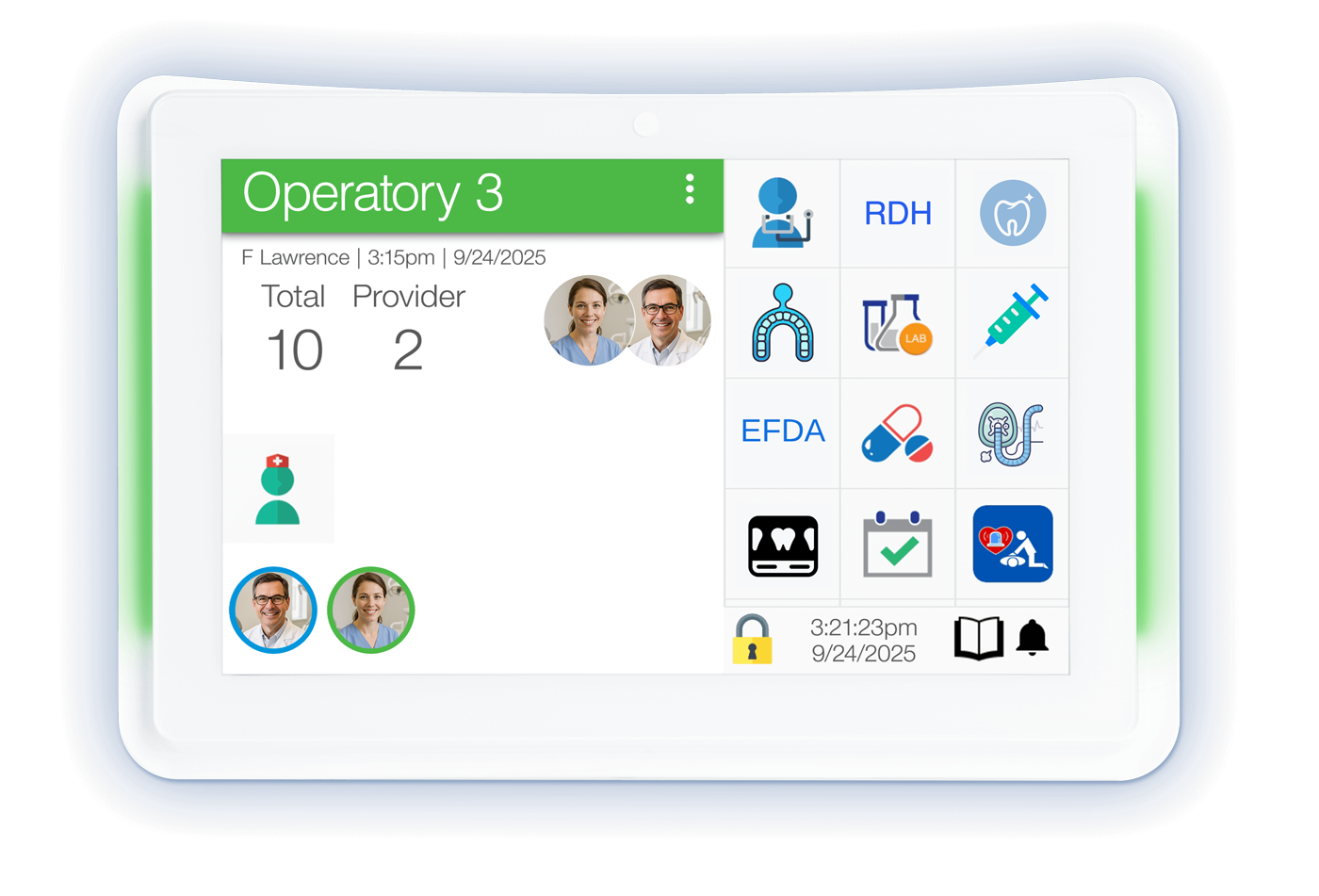
Intake done? Tap "Ready for Provider." Need a lab draw? Tap the icon. Room status LEDs on every tablet communicate what's happening at a glance — no doors opened, no hallway hunting. Your team stops running and starts coordinating.


actionable insights
Get Cycle Time and Utilization Data Without Manual Entry
Stat captures every phase of every visit from check-in to check-out, with zero manual entry. You see where bottlenecks form, which providers need support, and how changes impact flow — in real time or in weekly reports. No spreadsheets. No stopwatches.
Safety & Duress
Stat Gets Help Fast Because Every Second Matters in Emergencies
Stat Tags are wearables that instantly broadcast a location-aware voice and text alert to every room and person in your organization with a simple press of a button. No hunting for help, and no fumbling with phones.
Stat diagnoses and treats care Dysfunction
Flag systems and stopwatches were never built for this.
Stat replaces the outdated tools your team has outgrown and supercharges your operations with actionable data.
Staff Location
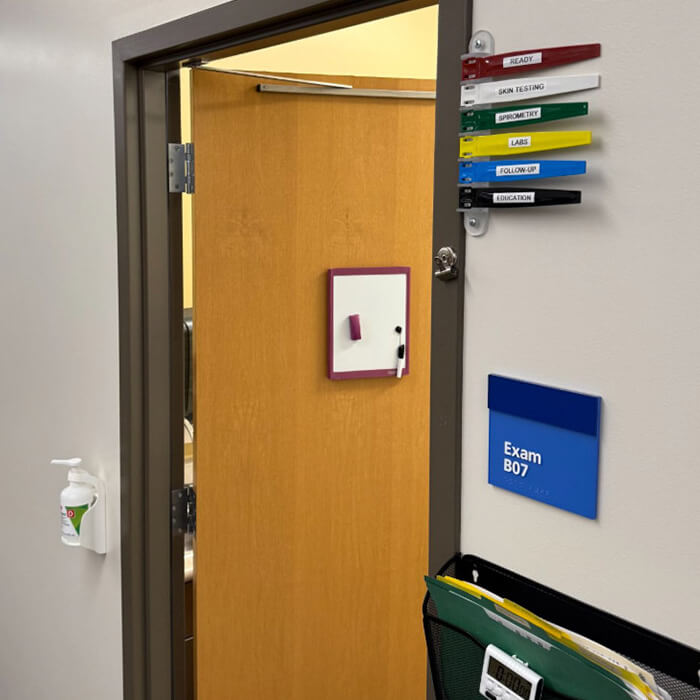
Flags & PA Announcments
Flag systems only work when everyone remembers to update them—and most don't. PA announcements interrupt everyone.
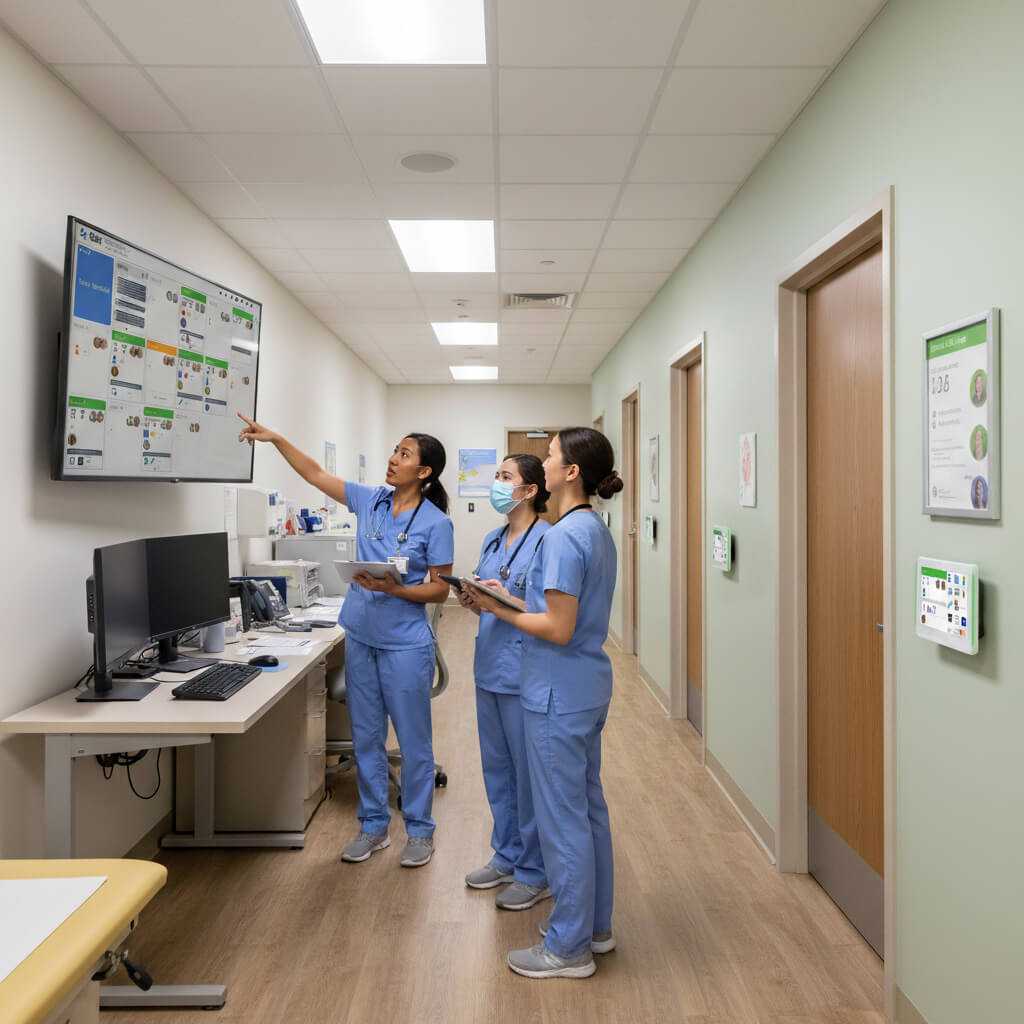
Automatic Real-Time Location
Stat shows you where every provider and MA is on a single screen. Your team just works, and you always know where to find them.
Flow & Cycle Time
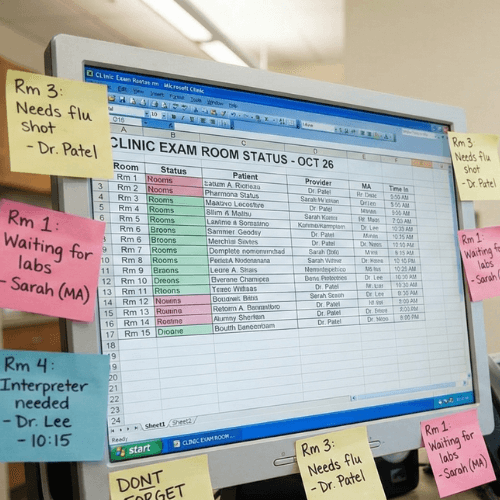
Stopwatches & Spreadsheets
Manual time studies take weeks, and produce a snapshot that's outdated the day the report is finished. Most clinics don't measure cycle time at all.
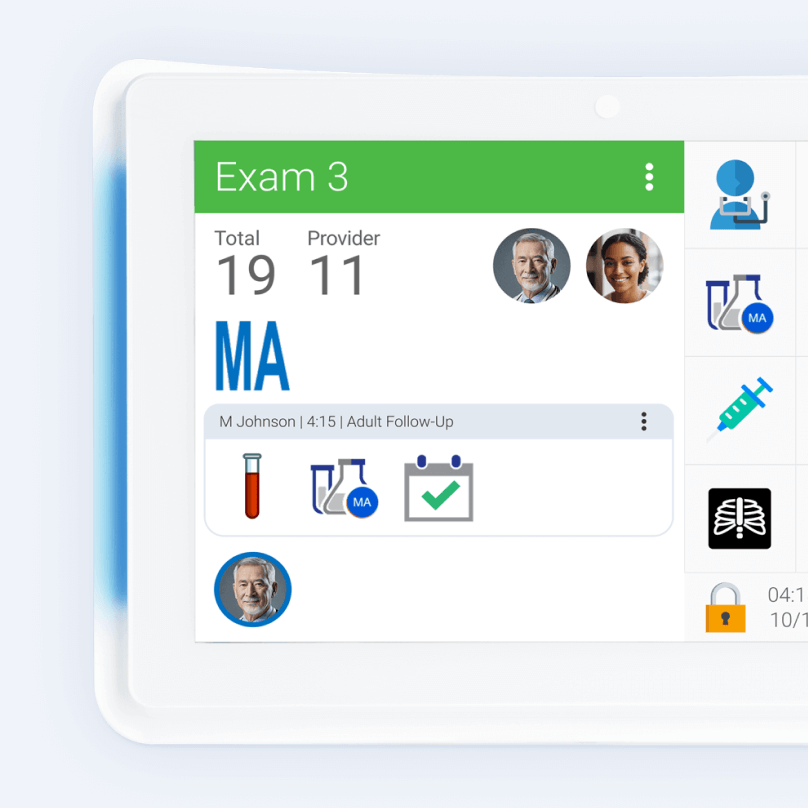
Automated Cycle Time Data
Stat measures every phase of the patient visit automatically without badging in, entering data, or one-time studies nobody trusts.
Operational Analytics
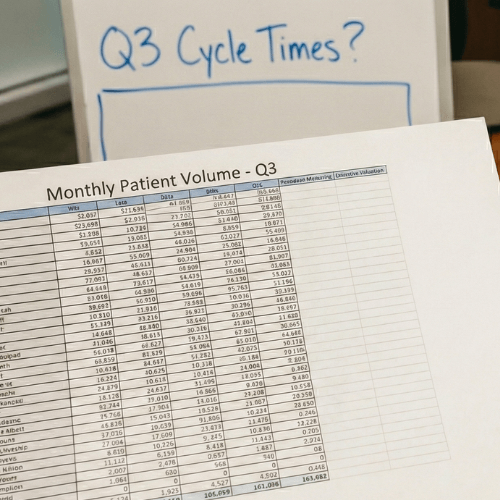
Gut Feel and Anecdotes
Without real data, operational decisions come down to gut instinct and secondhand reports. You know something is off—but can't prove it.
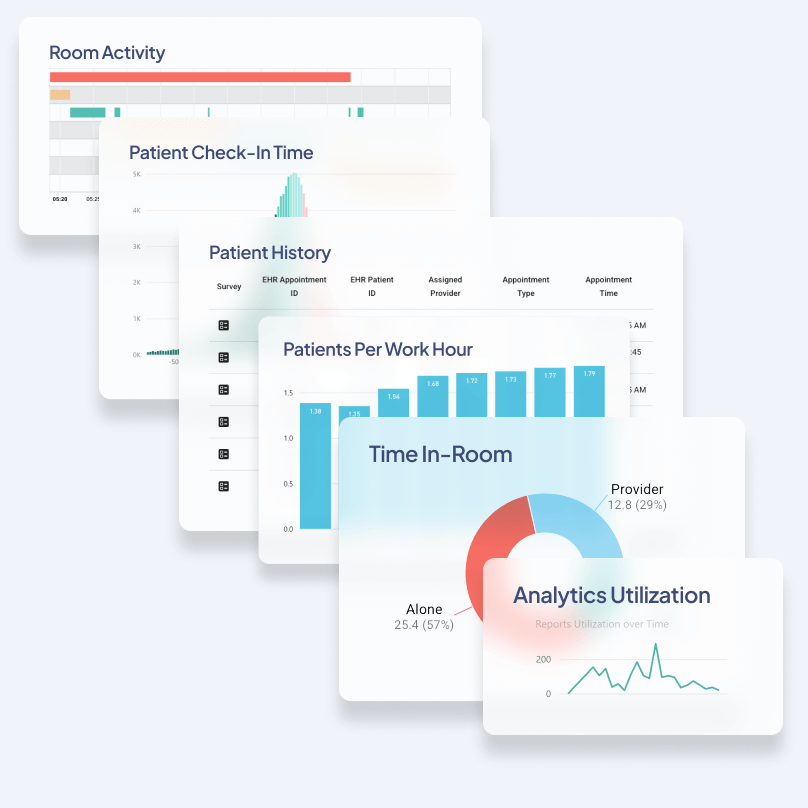
Real-time Ops Dashboards
Stat gives you live views of patient flow, and room utilization. You see bottlenecks form and which sites need support—with data, not feelings.
Emergency & Safety Alerts
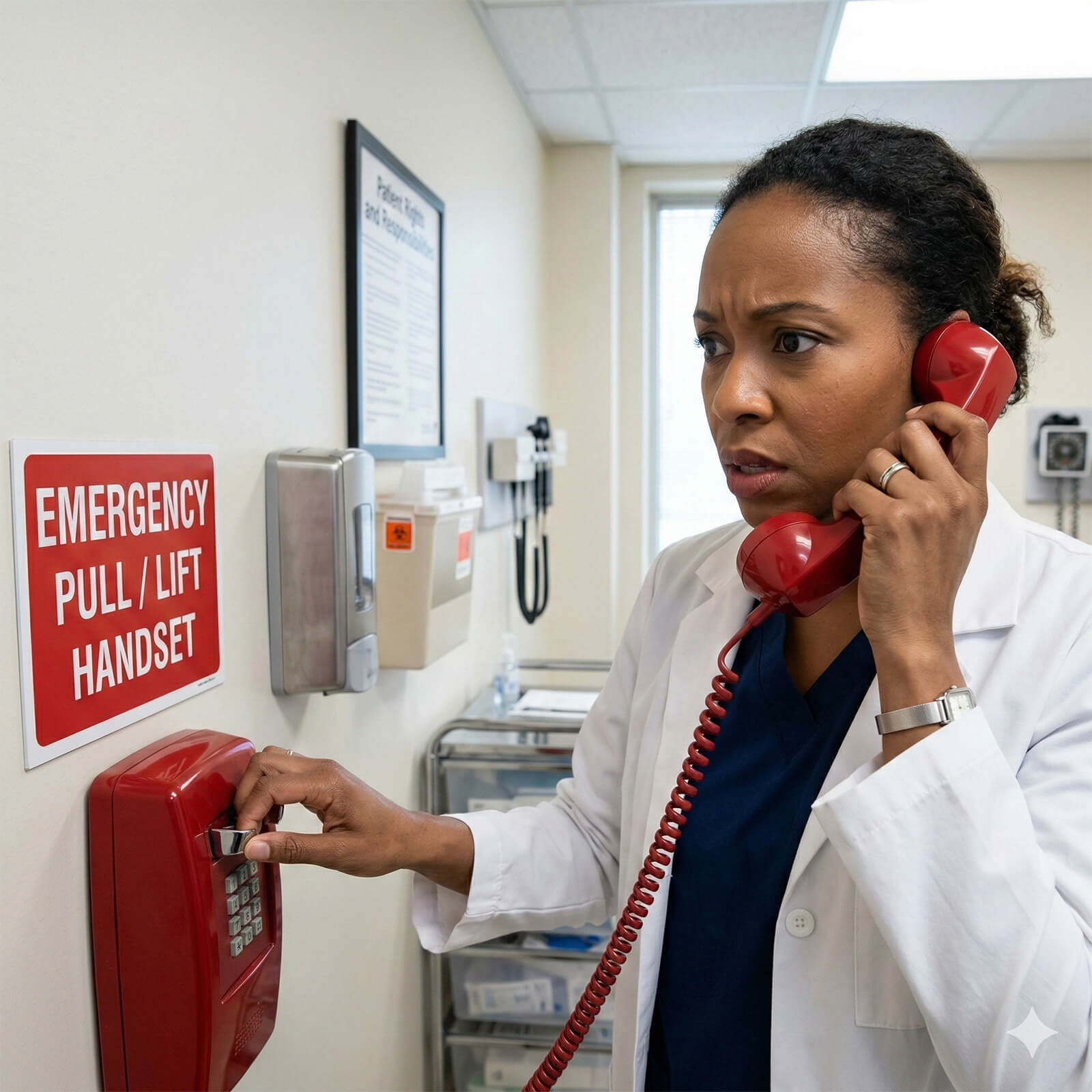
Pagers, Buttons & Landlines
In emergencies, staff often have to leave a patient in distress to find help or reach a wall-mounted phone. Precious minutes are wasted.
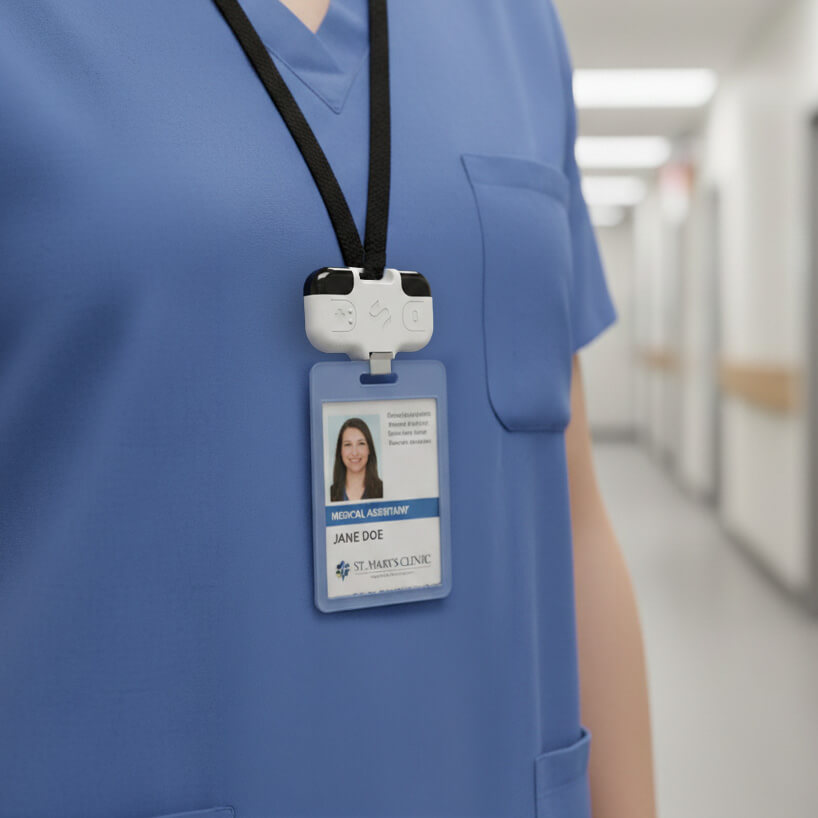
1-Touch, Location-Aware Alerts
Stat Tags turn every staff member into a mobile emergency signal. With a single press, a "Code Blue" or duress alert is broadcast department-wide


visibility leads to improvement
The Benefits of Knowing What's Truly Happening
30%
Shorter Patient Wait Times

1,058
Additional Billable Encounters
$262k
Additional Revenue Generated


“We can clearly see areas of opportunity within our cycle times to deploy value-added revenue-producing services without further extending our patient’s or provider’s valuable time.”
BILL ROSENFELD
Chief Operating Officer @ Adelante Healthcare

Wendy Tilleman
Provider @ Rocky Boy Health Center

Stat helps to streamline communication, increases awareness of time patients spend alone and time spent with providers.

CMA, Clinical Supervisor
I love it! It's a helpful reminder of what is due.

Michael Lashley
IT Manager @ Camarena Health
We don't see Stat as a vendor, we see them as a partner... they're one of us.
Wendy Tilleman
Provider @ Rocky Boy Health Center
Stat helps to streamline communication, increases awareness of time patients spend alone and time spent with providers.
CMA, Clinical Supervisor
I love it! It's a helpful reminder of what is due.
Michael Lashley
IT Manager @ Camarena Health
We don't see Stat as a vendor, we see them as a partner... they're one of us.



Stat empowers leaders to make decisions
Value for Your Whole Leadership Team
Here's what Stat delivers to every role involved in the decision.

Finally Get the Data to Prove What Needs to Change

Live Operations Dashboard
Get complete operational data you can trust, so you can present it in front of your providers and your board confidently.

Bottleneck
Analytics
Pinpoint exactly where flow breaks down, which sites are underperforming, and where to invest in staffing or training.
Throughput Optimization
Know where every provider, MA and patient is across all locations, without leaving your desk or picking up your phone.

Better Operational Data, Better Staff Safety, Better Care.
Live Room
Status
Staff know before walking into a room: who is being treated, how long they've been there, and what needs to be done.

Instant
Coordination
Find a colleague in seconds instead of wandering halls, waiting for a call back, or asking three different people.

Fewer
Interruptions
Safety beacons built into each Stat Tag ensures that staff and patients are safe in the event of an emergency.

Turn operational efficiency into measurable revenue.
Increase
Capacity
Always know which rooms are ready, occupied, or need cleaning — without shouting down the hall.
Staff
Appropriately
Stat makes it easy to know exam room utilization and staffing capacity so you can stay lean.
Streamline
Cost Reports
Automate time-based data collection you need for cost reports—without tracking hours manually.
See What Real-Time Visibility Could Do for Your Organization
Discover how Stat’s platform can save time, improve patient care, and drive revenue growth.

Frequently Asked Questions

Does this integrate with our EHR?
Yes, Stat integrates seamlessly with all major EHR systems including Epic, Cerner, NextGen, and eClinicalWorks. If you've had difficult integrations in the past, we're happy to connect you with clinics running Stat on your specific EHR before you commit.
What does implementation involve?
Implementation typically takes 6-8 weeks and includes setup, installation, training, and workflow optimization.
How easy is it for staff to learn?
Very. Most staff become proficient in 2–3 days. We provide full training and support.
Is patient data secure?
Absolutely. Stat is SOC-2 Type-2 certified, and HIPAA-compliant.
Does Stat work in behavioral health or dental?
Yes. Stat supports integrating medical, dental, behavioral health, and pharmacy workflows.
We're in the middle of other system changes. Is this a big lift?
Stat is not an EHR migration or a clinical system overhaul. Implementation takes a few weeks, and your clinical staff has nothing new to learn — data collection is largely passive. Our customer success team will be available throughout onboarding and will regularly be on-site to assist with training and adoption.


© Stat


